
Therapist?Try Klarify
Mental health insights and practical resources published on Klarify.

Anger is not a detour from healing; it is often the part of you that finally registered the harm. Pressure to "let it go" too early buries it alive. Healing often means slowing down, locating the anger in the body, and letting it speak…
Does it count as trauma if the people who raised you call it discipline, duty, or love? Often, yes. Trauma is measured by what your body and mind had to do to get through, not by whether your family agrees anything went wrong. Cultural…
A trauma response that looks like defiance is a nervous system going flat under threat: the shrug, the silence, the flat "I don't care" a teacher hears as attitude. If October parent-teacher night handed you words like disrespectful or…
Flinching from a partner's touch after trauma is a startle reflex, not a verdict on the relationship. Your body reacts before you recognize whose hand it is. The move that helps most is naming the startle out loud in a few plain words…
The EMDR preparation phase is the stretch of sessions before any trauma memory gets touched, where you learn to steady your nervous system and build internal resources. For adults who want to start reprocessing immediately, it is not a…
Mourning the needed and did not have brings a need to mourn the caregiving that was needed and not received while the parent that you experienced is still alive and still calling. In my practice I watch this stall trauma work: as long as…
Impostor syndrome and childhood trauma often travel together: when approval felt conditional early on, achievement becomes proof of safety rather than proof of worth. Listing your accomplishments will not fix it. In my Miami practice, the…
Brainspotting therapy in Abbotsford uses a fixed eye position to reach trauma your body still holds but your words can't get to. Sessions are quiet, slower than talking, and led by your own nervous system rather than by my questions. For…
A chosen support circle is the small set of people you deliberately keep close: friends, neighbors, a coworker, a therapist. For adults grieving a parent who hurt them, building that circle often pays off faster than repairing the family…
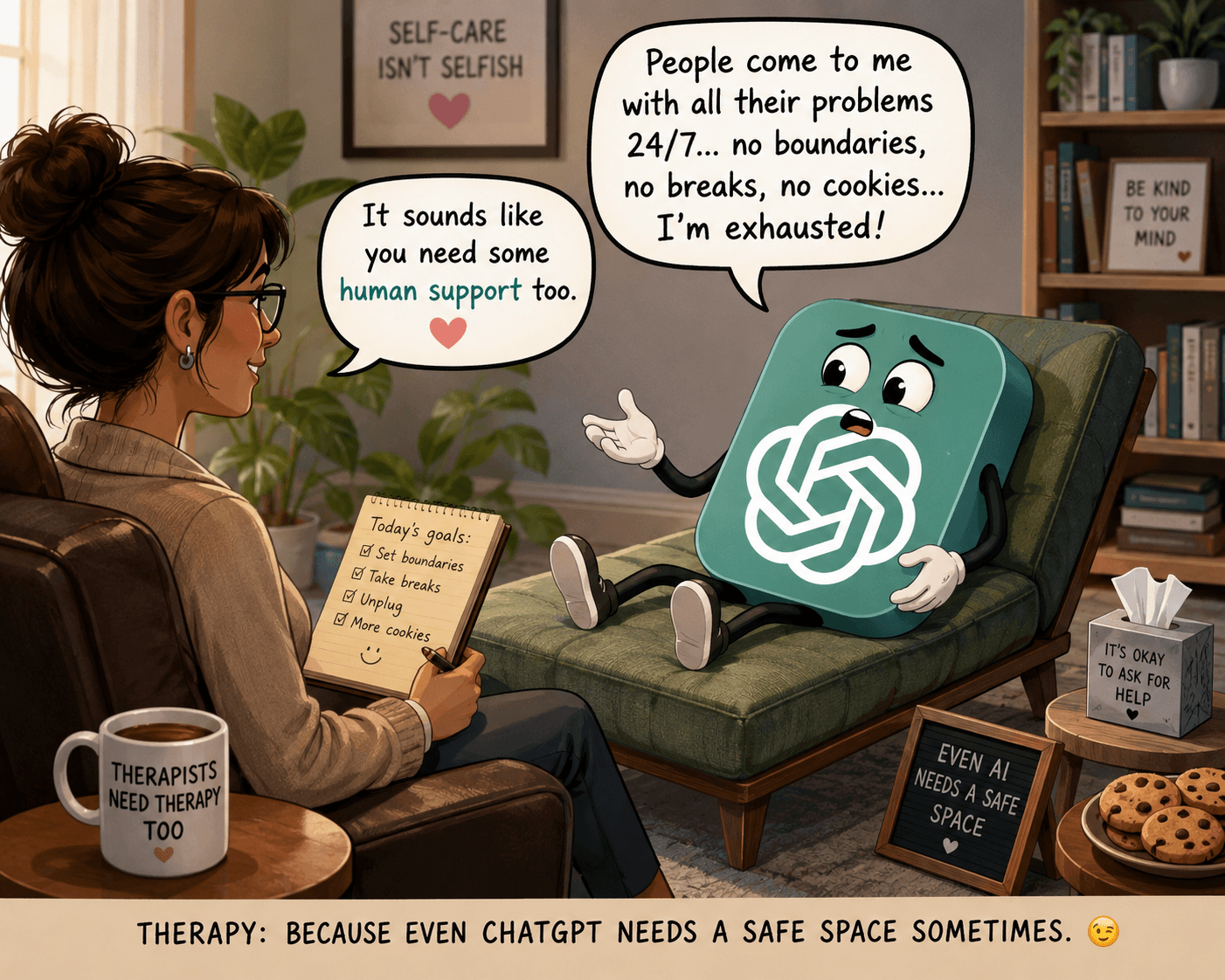
What AI Does Really Well? You've probably asked AI questions about stress, anxiety, relationships, ADHD, trauma, PTSD, or even whether what you're experiencing is "normal." Within seconds, it provides thoughtful explanations, coping…
PTSD after a workplace trauma typically lasts six to eighteen months with treatment, though untreated cases can persist for years. The timeline depends on the severity of the event, how quickly you start therapy, and whether your work…
Trauma shows up in ways that don't match the textbook. Many people I work with in Langley carry significant trauma histories but don't meet full PTSD criteria, and they often feel dismissed or confused because their suffering doesn't fit…
Trauma shows up in ways that don't match the textbook. You might never have flashbacks or nightmares but still feel the weight of what happened in how you move through relationships, how your body reacts to stress, or how hard it is to…
When a child experiences trauma, many parents expect nightmares, outbursts, or visible distress. But trauma in children often shows up quietly: a seven-year-old who suddenly needs you in the room at bedtime, a ten-year-old who stops…
Trauma shows up in ways most people don't recognize: the person who can't make decisions without checking in three times, the one who apologizes for taking up space, the body that tenses every time a door slams. Many of my clients arrive…
Trauma isn't always a single catastrophic event. In my work with adults and adolescents, I see people carrying the weight of experiences that felt too small to name as trauma but left lasting marks: chronic criticism, emotional neglect,…
Over 70% of people experience at least one traumatic event in their lifetime, but most keep showing up to their jobs, their families, their routines. Trauma doesn't always announce itself with flashbacks or panic attacks. Often it hides in…
Trauma doesn't just change how you remember the past—it rewires how you experience the present. Many people who've survived trauma describe feeling stuck in a moment that's already over, or living in a state of constant anticipation,…
Trauma doesn't follow a timeline. Many people assume PTSD symptoms appear immediately after a traumatic event and fade with time, but in my work with veterans, first responders, and adults processing childhood experiences, I often see…
Trauma doesn't just live in memory; it collapses your relationship with time itself. People who've experienced trauma often describe feeling stuck in the past while simultaneously racing toward an imagined catastrophe, unable to land in…
Childhood community loss is the early experience of losing your neighborhood, friend group, or sense of belonging through moves, school changes, or family disruption. It shows up decades later as difficulty trusting that people will stay,…

Self-gaslighting is the habit of dismissing, minimizing, or rewriting your own experience to align with someone else's version of reality. It often starts as a survival strategy in relationships where doubting yourself felt safer than…

A trauma-informed and neurodiversity-affirming look at protective beliefs and psychological flexibility Why Are Old Beliefs So Hard to Change? A trauma-informed and neurodiversity-affirming look at protective beliefs and psychological…

Yes, your nervous system can learn to feel safe again, though the process happens gradually through repeated experiences of safety rather than through insight alone. When trauma or chronic stress has trained your body to stay on high…