
Therapist?Try Klarify
Mental health insights and practical resources published on Klarify.
Burnout doesn't announce itself with a collapse. Most people I work with in Greater Sudbury are still clocking in, still answering emails, still getting the kids fed. What's gone is the recovery between efforts. You finish a task and feel…
Most people expect a transition to feel like turning a page, but in my work with adults navigating career shifts, relationship changes, and identity questions, the middle stretch feels more like standing in fog. You know something ended…
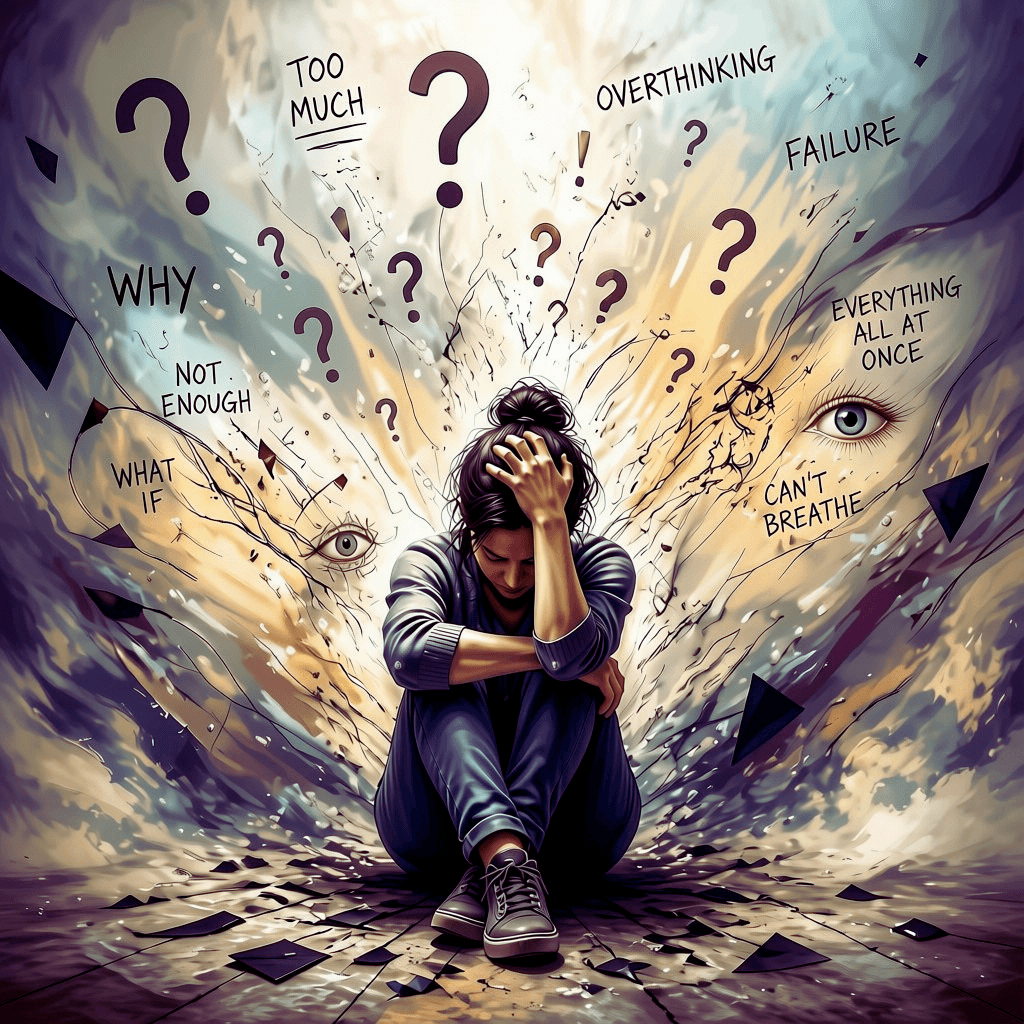
Many people associate anxiety with panic attacks, social avoidance, or feeling overwhelmed. However, anxiety can manifest in other forms. Individuals with high-functioning anxiety often appear calm, successful, and capable. They meet…
When your partner is falling apart, your nervous system wants to match theirs. Staying regulated in those moments isn't about staying calm or detached; it's about anchoring yourself so you can be present without drowning. The skill is…
ADHD doesn't just scatter your attention or make deadlines slip. It also turns your internal fairness alarm up so high that small injustices can feel like moral emergencies, triggering a cascade of anger, rumination, and an urgent need to…
High-functioning anxiety describes people who meet their responsibilities and appear successful while experiencing persistent internal worry, perfectionism, and exhaustion that others rarely see. They show up on time, hit deadlines, and…
High-functioning anxiety describes people who meet their responsibilities and appear successful on the outside while experiencing chronic internal worry, perfectionism, and exhaustion. They rarely miss work, maintain relationships, and…
High-functioning anxiety describes people who meet every deadline, answer every email, and show up on time while wrestling with constant internal worry that no one else sees. They appear successful and organized on the outside, but…
Over 70% of people experience at least one traumatic event in their lifetime, but most keep showing up to their jobs, their families, their routines. Trauma doesn't always announce itself with flashbacks or panic attacks. Often it hides in…
Trauma doesn't follow a timeline. Many people assume PTSD symptoms appear immediately after a traumatic event and fade with time, but in my work with veterans, first responders, and adults processing childhood experiences, I often see…
Your nervous system won't send you a clear memo that it needs attention. Instead, it speaks in a language most of us weren't taught to recognize: sleep that won't come, a jaw that stays clenched, irritability that feels like your new…

Burnout and depression share exhaustion and hopelessness, but depression adds pervasive emptiness that persists even when stressors ease, loss of interest in things you once enjoyed, and a sense that nothing will improve. If rest no longer…

You're Not Lazy. Here's What's Actually Happening When You Can't Start. You know the feeling. There's something on your to-do list — something that genuinely matters to you — and yet you've been scrolling on your phone for an hour. The…

Yes, your nervous system can learn to feel safe again, though the process happens gradually through repeated experiences of safety rather than through insight alone. When trauma or chronic stress has trained your body to stay on high…

When someone tells me they've been masking for years and "doing fine," I've learned to listen for what that phrase actually means. Masking—suppressing neurodivergent traits, scripting social responses, performing neurotypical…

When you're anxious, a breathing exercise might settle you right down. When you're numb or shut down, that same breathing exercise can feel pointless or even make things worse. The reason is simple: different nervous system states need…
ADHD is not a deficit of attention but a difficulty directing it, especially toward tasks that feel unrewarding or abstract. The disorder affects executive function, emotional regulation, working memory, and impulse control, all of which…

Why Trying to Neutralize Intrusive Thoughts Keeps OCD Going People with OCD often notice their symptoms spike hardest when they are trying hardest to stop them. That is not bad luck. It is part of how the disorder sustains itself. The…
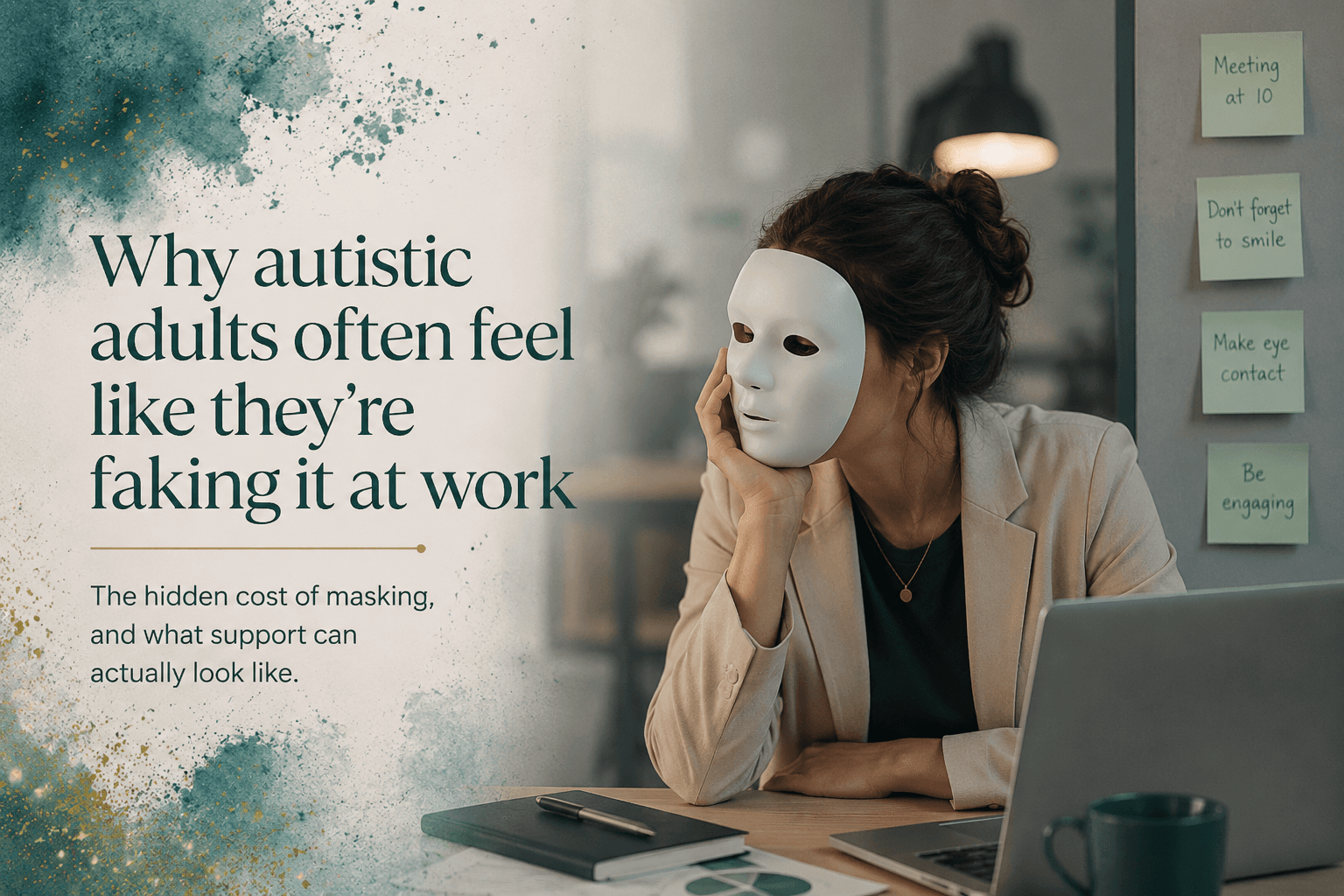
Many autistic adults I work with describe a persistent fear that colleagues will discover they're "performing" neurotypical behavior rather than being authentic. This isn't impostor syndrome in the usual sense; it's the exhausting…