
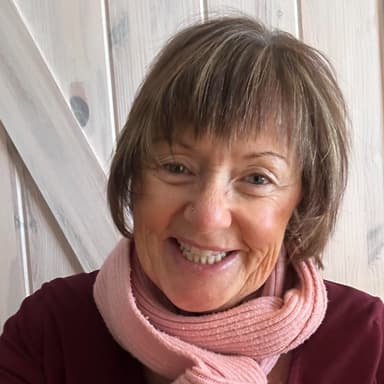
Shelley McInroy, RTC, MPCC-Provisionalshe/her
Licensed Mental Health Counselor
Telehealth only: British Columbia
Help in finding your way through anxiety, grief, change, and the difficult places in between.
About
My Approach to Counselling
People often come to counselling because something in life has become difficult to carry alone. You may be dealing with anxiety or grief, facing a significant change, struggling in a relationship, or simply realising that the way you have been coping isn't working as well as it once did.
I don't believe there is one right way to do counselling. We begin with where you are, what has brought you here, and what you hope might be different.
My approach is warm, practical and collaborative. I will listen, but I won't only listen. I may ask questions that help us look at something differently, notice patterns that keep appearing, or explore what happens for you when you feel anxious, overwhelmed, shut down or stuck. At times, I may offer information about how our minds and bodies respond to stress, grief and difficult experiences. We may also explore practical strategies that you can use outside our sessions.
You won't be expected to arrive knowing exactly what you want to talk about. Sometimes people come in with a very clear concern. Other times, the first thing they can say is, “I don't really know where to start.” We can start there.
The Approaches I Draw From
My work is client-centred, trauma-informed and strengths-based. Depending on what you need, I may draw from Cognitive Behavioural Therapy (CBT), Dialectical Behaviour Therapy (DBT) skills, Solution-Focused Brief Therapy, Narrative Therapy, motivational interviewing, mindfulness, parts-informed work, and somatic and nervous-system-informed approaches.
Those are the names of the approaches, but they aren't what I expect you to learn in order to come to counselling.
What matters is finding what is useful for you.
Sometimes that means understanding why your body reacts so strongly even when your mind knows you are safe. Sometimes it means learning ways to settle anxiety or manage overwhelming emotions. Sometimes we need to look at an old story you have carried about yourself and ask whether it still belongs to you.
And sometimes you simply need a place where something difficult can finally be said out loud.
Who I Work With
I work with adults experiencing anxiety, grief and loss, overwhelm, relationship changes, caregiver stress, and significant life transitions.
You may be grieving someone who died, but grief can also follow the end of a relationship, changes in health, retirement, children leaving home, caregiving, changes within a family, or the loss of a future you thought you were going to have.
I also work with people who have spent a long time taking care of everyone else and have reached a point where they are beginning to wonder where they fit into their own lives.
You don't need to have a diagnosis or know exactly what kind of counselling you need before contacting me.
We can begin with what is happening now.
What You Can Expect From Me
You can expect me to listen carefully and to take what you tell me seriously. You can also expect me to be genuine with you.
Counselling with me isn't about being told how you should live your life. My role is to help you understand what is happening, recognise choices that may be difficult to see when you're in the middle of things, and find ways of moving forward that make sense for you.
There may be difficult conversations. There will probably also be humour. Both belong in counselling.
You are allowed to ask questions, disagree with me, tell me something isn't helping, or say that you aren't ready to talk about something. This is your counselling, and we work together.
You don't have to have everything figured out before you begin.
Sometimes finding your way starts simply by having somewhere to begin.
Specialties
- Anxiety
- Depression
- Trauma & PTSD
- Grief & loss
- Stress management
- Burnout
- Self-esteem
- Life transitions
- Sleep issues
Approaches
- Cognitive Behavioural Therapy (CBT)
- Dialectical Behaviour Therapy (DBT)
- Humanistic / person-centered
- Somatic / body-based
- Narrative therapy
- Solution-focused
- Mindfulness-based
Works with
- Adults
- Groups
Sessions
Languages
- English
Logistics
- Fees
CA$120per session
Sliding scale available for those with low income. Decided on a case by case basis.
- Insurance
Accepts: Blue Cross, Sun Life, Manulife
Normally, clients pay counsellor, are provided a receipt, and submit their receipts to their insurance company for reimbursement.
Licensed or authorized in
Frequently asked questions
- Do you offer evening and/or weekend appointments?
- Yes, I will hold evening appointments, daytime appointments, and on a case by case basis, will counsel on Saturdays.
- What does a first session with you look like?
- What will our first session look like? Our first session is partly about getting to know each other and deciding whether we are a good fit. We will begin with some of the practical things I need to cover with every new client. We will review our counselling agreement, privacy and confidentiality, payment and practice information, and make sure you have an opportunity to ask questions about any of it. Then I want to hear from you. What brought you to counselling now? What has been happening in your life? What would you like to be different, and what are you hoping for from counselling? You can share as much of your story as feels comfortable. We don't have to cover everything in the first session. I'll listen, ask questions, and begin getting to know you — not just the difficulty that brought you through the door. The first session is also an opportunity for you to get to know me. In some ways, we are interviewing each other. I may have the training and experience you are look
- Can I see a counsellor even if I don't know what's wrong?
- Absolutely. You don't need to have a diagnosis, a crisis, or even the right words to explain what you're feeling before coming to counselling. Sometimes people know that something just doesn't feel right. You may feel overwhelmed, anxious, unhappy, disconnected, or simply not quite like yourself. You might find yourself reacting differently than you used to, struggling with things that normally wouldn't bother you, or wondering why you aren't enjoying your life the way you think you should. And sometimes all you know is, *“I don't know what's wrong, but something is.”* That's enough to begin. Counselling can give us a place to slow things down and look at what has been happening in your life. I'll listen, ask questions, and help you begin to make sense of what you're experiencing. We may discover that there isn't one particular thing that's wrong at all. Sometimes it is an accumulation of losses, responsibilities, relat
- Do I have to talk about my past?
- No. You don't have to talk about anything you aren't ready to talk about. Your past may come into our conversations because our experiences can shape how we see ourselves, how we relate to others, and how we respond to things happening in our lives today. Sometimes understanding where a pattern began can help us understand why it is still showing up now. But we don't have to go looking through every part of your past to make progress. You decide what you want to share and when you are ready to share it. If something from your past seems important to what you are experiencing now, we can explore it together, at a pace that feels manageable. There may also be times when you don't want to explore *why* something happened at all. You may simply want help with what is happening in your life right now and what you can do next. We can work there too. Counselling isn't about making you relive painful experiences. It's about understanding what is usefu
Credentials
- RTC, ACCT, 2024
- MPCC-Provisional, CPCA, 2025
- BEd, University of Victoria, 1999