
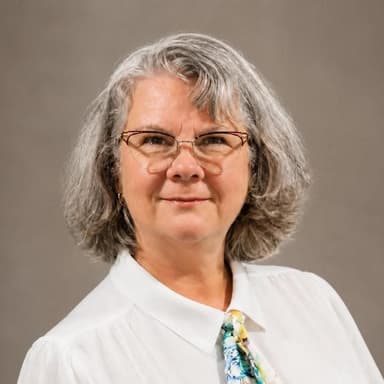
Leta Watson, BSc. OTshe/her
Mental Health Coach
Telehealth only: Ontario, New York, Vermont, Connecticut, Massachusetts, British Columbia and 1 more
ADHD and Autism coaching by OT educated coach. Focusing on the impact of neurodiversity on daily function.
About
I hold a bachelor’s degree in occupational therapy and bring more than 30 years of experience helping people develop practical strategies for everyday life. My coaching approach is neurodivergent-informed, trauma-informed, and gender-informed within the scope of coaching practice. I also bring lived experience as someone who identifies as ADHD and as a parent of an AuDHD child. My work focuses on supporting clients with organization, routines, follow-through, and sustainable behavior change.
Specialties
- ADHD
- Autism spectrum
- Burnout
- Life transitions
Approaches
- Cognitive Behavioural Therapy (CBT)
- Acceptance & Commitment Therapy (ACT)
Works with
- Adults
Sessions
Languages
- English
Logistics
- Insurance
No direct billing to insurers available. Receipts will be provided for reimbursement.
Licensed or authorized in
Frequently asked questions
- What does a session with you look like?
- I work collaboratively to understand your patterns rather than handing you a generic plan. Instead of relying on willpower, we build structure and strategies that fit how your brain actually works — clarifying what matters most so your energy goes where it counts, and replacing shame with practical, compassionate problem-solving.
- How does your OT informed lens make a difference?
- An ADHD coach with an occupational therapy background offers a distinct advantage by addressing both cognitive strategies and the physical environment. While traditional coaching focuses on productivity and accountability, an OT-informed coach identifies the sensory and neurological barriers—such as sensory overload or executive dysfunction—that often make standard tools ineffective. By analyzing the root cause of a struggle—whether it is a sensory trigger or a sequencing issue—they provide concrete environmental modifications and physical scaffolding rather than just behavioral tips. This approach moves beyond "trying harder" to fit neurotypical systems, instead creating a customized, sustainable framework that works with your brain's natural wiring.
Credentials
- Bachelor of Science in Occupational Therapy, University of Toronto, 1993