
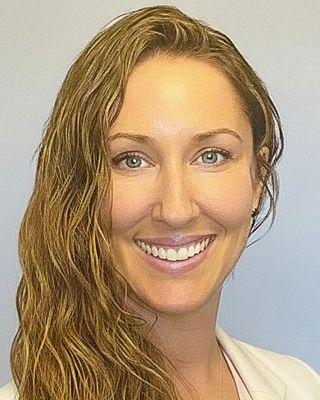
Cherisse Klassen, MA, CCC, RCC
Counsellor
Maple Ridge, British Columbia, Canada
Also available by telehealth: British Columbia
Specialized in trauma processing with EMDR and EMDR 2.0, serving clients ages 14+ across Canada.
About
I specialize in trauma processing using EMDR and EMDR 2.0, working with clients ages 14 and up who've experienced trauma in its many forms: childhood trauma, cumulative trauma (including first responders, nurses, doctors, and 911 employees), CPTSD, single-incident trauma such as sexual assault or car accidents, neglect, relational trauma, and medical or birth trauma. Trauma often shows up alongside depression, anxiety, PTSD, low self-worth, chronic pain, and maladaptive coping, and I'm comfortable working across all of these presentations.
I've taken advanced training in EMDR, EMDR 2.0, EMDR for First Responders, EMDR for CPTSD and Dissociation, and Flash. For trauma work, we can use talk therapy, Parts Work drawing from Janina Fisher's TIST model, EMDR/EMDR 2.0, or Flash, which requires very little in-depth discussion of traumatic experiences. Safety and stability are always my priority. I spend the first few sessions hearing your concerns and mapping out a clear treatment plan together.
My approach is down-to-earth, solution-focused, and adaptable, with a strong emphasis on nervous system regulation. I tailor care to what works for you: if you prefer talk therapy, that's what we do; if you start EMDR and it doesn't feel right, we switch. As an Indigenous counsellor, I work from a decolonized framework and practice cultural safety.
I hold a master's degree in counselling psychology from Yorkville University, along with a background in biological sciences and psychology. I offer in-person sessions in Maple Ridge, BC, and online EMDR across Canada, with availability on weekdays, evenings, and weekends.
Specialties
- Trauma & PTSD
- Anxiety
- Depression
- Chronic pain & illness
- Grief & loss
- Self-esteem
- Addiction & substance use
- ADHD
- LGBTQ+ identity
- Stress management
- Perinatal & postpartum
Approaches
- EMDR
- Cognitive Behavioural Therapy (CBT)
- Internal Family Systems (IFS)
- Solution-focused
- Humanistic / person-centered
Works with
- Adolescents (13-17)
- Adults
- Older adults
- LGBTQ+
- Veterans / first responders
Sessions
Languages
- English
Logistics
- Fees
CA$160per session
Sliding scale available. Accepts most insurance providers and can direct bill most.
- Insurance
Accepts: Aetna, Blue Cross, Desjardins Insurance, Great-West Life, Green Shield Canada, Humana, Manulife, Medavie Blue Cross, Pacific Blue Cross, Sun Life, Alberta Blue Cross, Alliance, Arete, Beneva | SSQ, Blue Shield, BlueCross and BlueShield, Canada Life | Great-West Life, Chambers Plan, Empire Blue Cross Blue Shield, Equitable Life of Canada
Almost all insurance providers cover master's level Registered Clinical Counsellors (RCC) registered with the BCACC/Canadian Certified Counsellors (CCC). Please call your insurance provider to confirm. I can also direct bill most providers.
- Office locations
- 12398 230 Street, Maple Ridge, BC V2X
Licensed or authorized in
Frequently asked questions
- Do you offer evening or weekend appointments?
- Yes, we are open until 7pm on weekdays and we keep a couple of time slots open on Saturdays.
- What is the structure of therapy with you?
- We generally start with a few to several sessions of talk therapy to (gradually) go over your history, explore more present day issues, and look for deeper patterns and potential EMDR targets to process. For CPTSD, it tends to be a more gradual process so that we can collaboratively formulate a solid treatment plan before we begin EMDR processing.
- What does a first session with you look like?
- During our first session, we’ll explore what has brought you to therapy, the challenges you’re experiencing, and what you hope to achieve through our work together. Many clients come to EMDR therapy believing they need to share all the details of their traumatic experiences right away. This is not the case. You do not need to disclose anything before you feel ready. Unless you want to and feel comfortable doing so, there is no expectation that you share the details of your trauma in our first session. My priority is to establish a sense of safety, trust, and connection first. We work at your pace, gradually building the foundation for therapy and approaching difficult material piece by piece, when you feel ready.
- What conditions do you work with?
- I am a registered clinical counsellor and trauma therapist, so I specialize in working with trauma and concomitant conditions. These include CPTSD, PTSD, nervous system overwhelm., BPD, bipolar disorder, chronic pain, dissociative disorders, chronic depression and anxiety, panic attacks, phobias, individuals who have struggled with addictions/compulsive behaviours, and OCD (trained in EMDR & ERP). I am trained in a few trauma therapies, but tend to utilize EMDR and some parts work in 90% of my caseload because it processes deeper wounds for longer term wellness.
- What qualifies as trauma?
- What constitutes a “trauma” depends on many factors. Every person is different, and at different stages of susceptibility in their lifetime. It all boils down to the total nervous system load. If an individual is managing many stressors at one point in their life, they may be more prone to developing PTSD from a distressing experience. If someone has endured childhood trauma, their nervous system “bucket” is always half full, so they have less tolerance to stress and are more susceptible. Living with chronic pain/illness fills a person’s bucket, as well as being neurodivergent in a world designed for neurotypical people. Individuals with attachment trauma/wounds often are overlooked in the DSM-5, however, this is a very important component of trauma. Cumulative trauma (nervous system overwhelm) can often be seen in first responders, so PTSD can begin to arise suddenly. Therefore, we explore your life experiences to find the most efficacious EMDR targets collaboratively.
- What populations do you work with?
- I work with men, women, gender non-binary, and 2SLGBTQ+ folks. I often work with individuals with CPTSD, PTSD, depression, anxiety (including panic attacks), religious trauma, sexual trauma, and prolonged grief. Specific populations include: first responders (police officers, firefighters, paramedics), physicians, nurses, veterinarians, Indigenous people, victims of violence, sexual assault, and narcissistic abuse, and individuals who have struggled with addiction and other unwanted compulsive behaviours who are in a more stable place and are wanting to resolve past trauma.